
Home
Connecticut’s Assistive Technology Resource Hub


Families & Students
Check out all the latest resources for parents
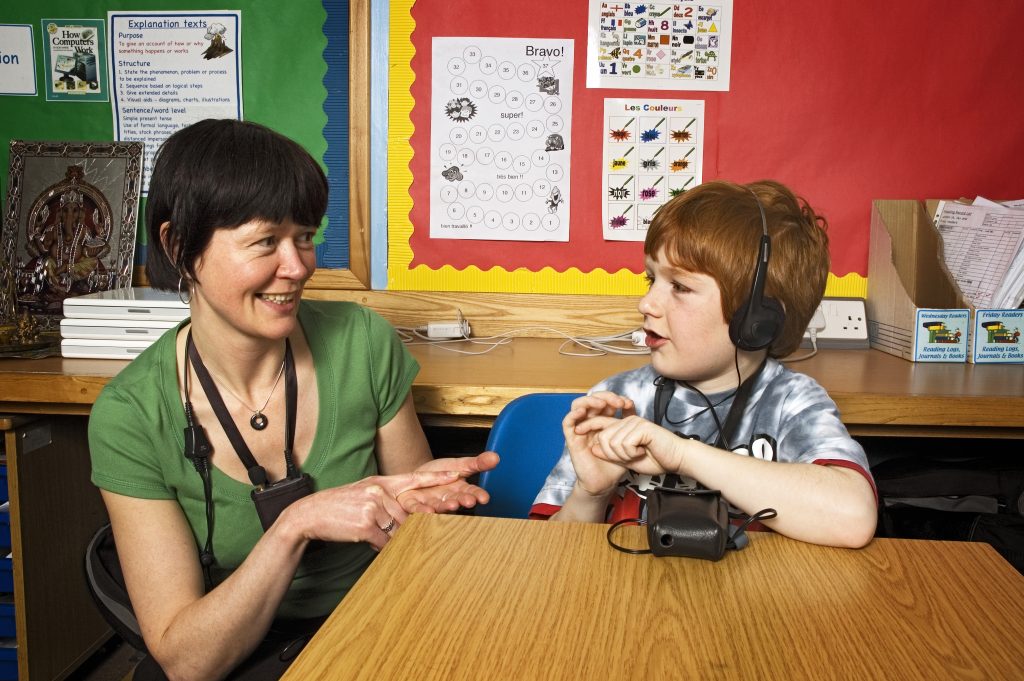
Educators
Learn more about accessibility and assistive technology for classrooms

AT Professionals
Access lending libraries and find local AT events

What Is Assistive Technology (AT)?
AT helps people with disabilities do things that would otherwise be difficult or impossible. It can be as simple as a piece of paper or as complex as eye tracking software.




Latest AT News
CITES: AT Guidance Myths and Facts Graphics and Game
The Myths/Facts graphics highlight information for administrators, educators, and families, tools to help avoid misconceptions regarding AT, and provide examples of the use of AT devices and services for children with disabilities Learn more at…
CITES: Center on Inclusive Technology & Education Systems
The Center on Inclusive Technology & Education Systems (CITES) aims to empower school districts to build and maintain technology systems that include every student, particularly students with disabilities who require assistive technology and accessible materials. The…
U.S. Department of Education: “Myths and Facts Surrounding Assistive Technology Devices and Services”
The U.S. Department of Education’s “Myths and Facts Surrounding Assistive Technology Devices and Services” (January 2024) clarifies that assistive technology must be considered for all students with IEPs—not just those with certain disabilities. The document dispels common misconceptions, emphasizing that AT ranges from simple tools like pencil grips to sophisticated communication devices, should be available across all environments, and must be provided at no cost when necessary for FAPE. This essential guidance reminds educators that IEP teams are responsible for ensuring students receive appropriate AT devices and the training needed to use them effectively.
Join Our Mailing List
Be the first to know about AT news, updates, and events.